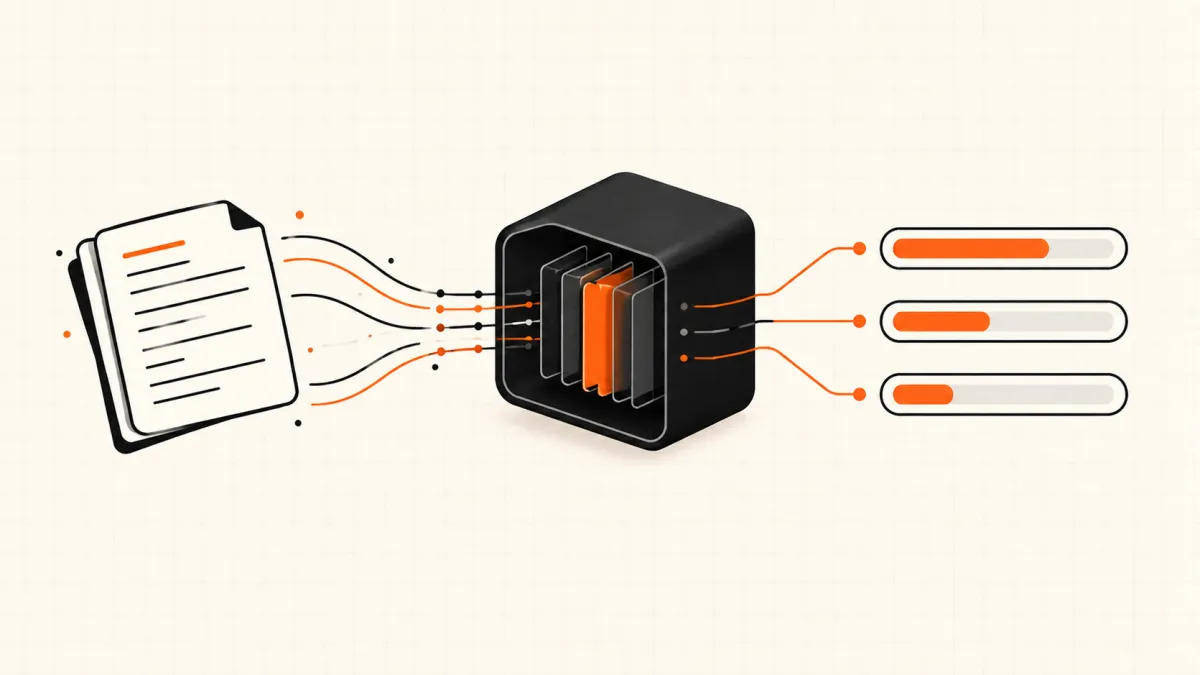
Most Retrieval-Augmented Generation pipelines fail in the exact same place: vector search pulls back 20 candidate chunks, 14 of them are tangentially related noise, and the team stuffs all 20 into a frontier LLM prompt anyway. That burns thousands of wasted input tokens on every query and increases hallucination rates when outdated snippets contradict the real answer. Jev AI RAG filtering inserts a sub-second decision layer between vector retrieval and LLM generation—keeping only verified, relevant chunks.
This guide shows how to build a Jev AI RAG filtering and citation-verification layer using TypeSafe AI's decision model. Every performance figure is backed by verified measurements: our six production-shaped calls on jev-ai.org (~310 ms median round trip at $0.000023–$0.000038 per call), TypeSafe's four-workflow eval ($0.0004 / 0.4 s / 67.8% vs. top LLM $0.084 / 23 s / 74.1%), and Vercel's TechCrunch report (5–18× faster than an LLM classifier).
Why Vector Search Alone Breaks Without Jev AI RAG Filtering
Cosine similarity measures lexical or topical proximity, not whether a chunk actually answers the user's question. A query about "2026 refund rules for annual plans" easily retrieves old 2024 blog posts, monthly plan FAQs, and terms-of-service boilerplate.
| RAG Stage | Without Jev AI RAG | With Jev AI RAG Layer |
|---|---|---|
| Chunks sent to LLM | Top 15–20 raw vector hits | Top 3–5 verified chunks above probability cutoff |
| Relevance check cost | $0.01–$0.08+ if using an LLM reranker | $0.000023–$0.000038 per decision call |
| Added latency | 2 s – 10 s for LLM reranking | ~310 ms median round trip (0.4 s in TypeSafe eval) |
| Citation verification | Usually skipped due to cost | Parallel noul check confirms answer matches source |
Two High-Impact Places to Use Jev AI RAG
1. Pre-Generation Chunk Filtering (Context Pruning)
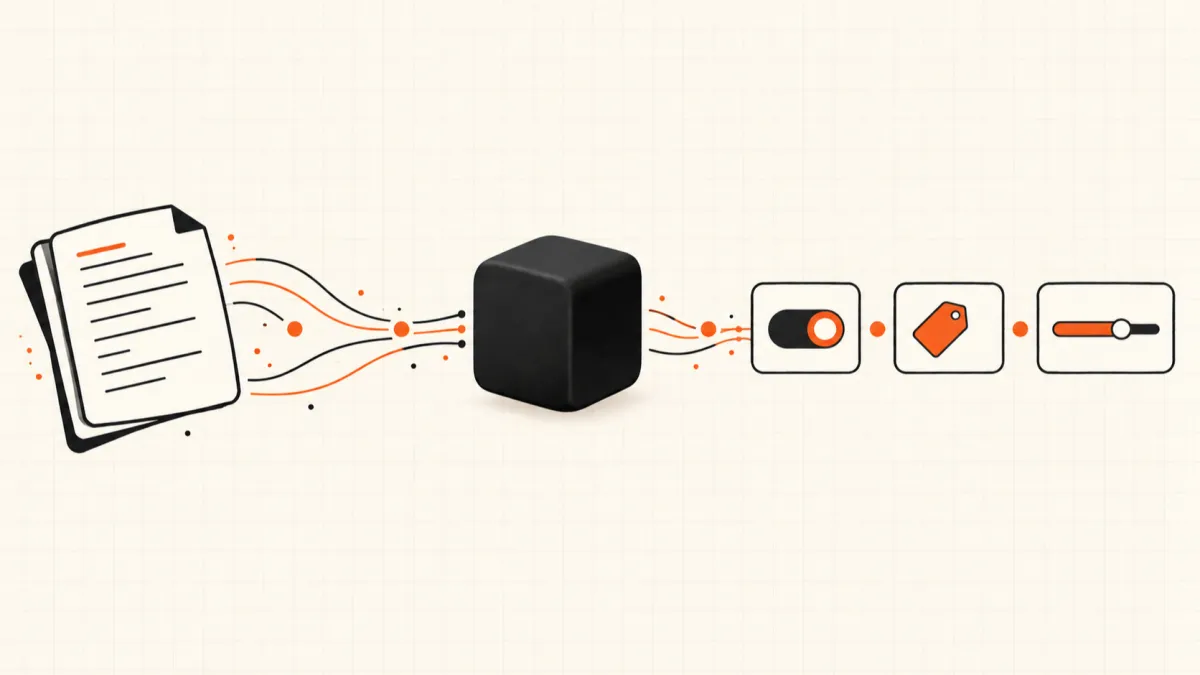
After hybrid BM25 + vector retrieval returns candidate passages, pass the user query and candidate chunks into a Jev AI RAG call with parallel noul or score questions:
answers_query(noul): Does this passage contain concrete facts needed to answer the user's question?is_current_policy(noul): Does this passage reflect current rules rather than deprecated documentation?relevance_tier(score): Rate chunk usefulness (irrelevant,background,direct_answer).
Keep only chunks where answers_query >= 0.70 (or fallback to the top 2 highest probabilities if none pass). By trimming 20 chunks down to 4 before calling your generation LLM, Jev AI RAG cuts prompt tokens by 60–80% and stops conflicting snippets from poisoning the answer.
2. Post-Generation Citation & Grounding Verification
Even with clean context, LLMs occasionally extrapolate beyond the retrieved text. Running a fast Jev AI RAG grounding check after generation—passing the cited source chunk and the model's claim into state—catches unsupported claims in ~310 ms before the response reaches your user:
is_supported(noul): Is every factual claim in the draft answer directly supported by the provided source text?contradicts_source(noul): Does the draft contradict any number, date, or condition in the source?
You can test the built-in citation-check scenario right now on the Jev AI Model Playground.
How Jev AI RAG Fits With an LLM Router
The strongest production stack combines Jev AI RAG filtering with an LLM router (see Jev AI vs LLM Router):
- Retrieve: Pull top 15–20 candidates from your vector database.
- Filter + Route in one pass: Use Jev AI RAG to score chunk relevance AND classify query complexity (
simple_faqvs.complex_synthesis) in parallel. - Generate: Send only the 3–4 surviving chunks to a fast, low-cost model for simple FAQs—or to a flagship model for complex synthesis.
- Verify: Run a single Jev AI RAG grounding check on regulated or high-stakes responses.
Honest Limits of Jev AI RAG
To deploy Jev AI RAG cleanly, keep two architectural limits in mind:
- 32K-token input ceiling: OpenRouter lists Jev with a 32K input token context window. Do not dump an entire 200-page PDF into one Jev AI RAG call; score concise chunks or batch parallel calls within the 32K budget.
- Not a replacement for arithmetic checks: As TypeSafe's invoice-processing eval (61.8% agreement) showed, Jev is weaker on dense numerical document extraction than on semantic judgment. Compute totals, dates, and numeric comparisons in code, and use Jev AI RAG for relevance and grounding judgments.
Ready to test chunk scoring and citation checks on your own knowledge base? Open the Jev AI Model Playground, read How Does Jev Work?, or review full benchmark details in TypeSafe AI Jev Benchmarks.
Frequently Asked Questions
How does Jev AI RAG reduce total LLM costs?
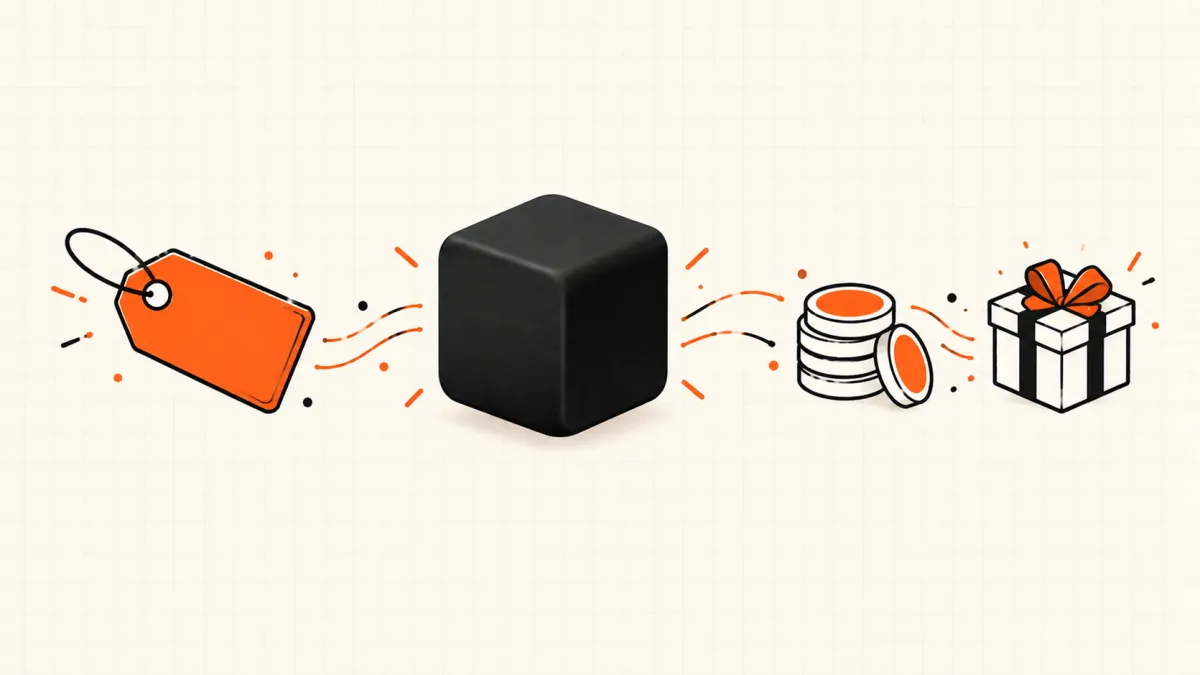
Jev AI RAG filters out irrelevant retrieved passages at $0.000023–$0.000038 per call before your main LLM runs, cutting wasted input tokens by 60–80% while adding only ~310 ms of latency.
Can Jev AI RAG replace my vector database?
No. Keep your vector or hybrid search index to narrow millions of documents down to 15–20 candidates, then use Jev AI RAG to filter those candidates and verify citations.
Does Jev AI RAG work for hallucination detection?
Yes. Passing the retrieved source passage and the generated answer into a noul grounding question lets Jev AI RAG return a calibrated probability that the answer is supported by the source.
Where can I try Jev AI RAG citation checks right now?
Open the Jev AI Model Playground and pick the built-in citation-check template to test your own passages and claims in the browser.
Sources
- TypeSafe AI Documentation — Introduction — Official
noul,choice, andscoreprimitives for parallel evaluation. - OpenRouter — typesafe/jev-1.13 — 32K context limit, $0.042/1M input pricing, and decision API reference.
- TypeSafe AI Workflow Evals — Verified 0.4 s / $0.0004 / 67.8% decision workflow benchmarks vs. frontier LLMs.
- jev-ai.org Model Playground — Live citation-check template and ~310 ms / $0.000023–$0.000038 measured calls (checked November 28, 2026).